UPDATE: Monroe County school board approves tentative 14.999 millage rate, public hearings set
The proposed rate is 7.25% below the current rate but remains above the state-calculated rollback rate. Public hearings are set for September 3 and 10.
UPDATE (8/18/26): The Monroe County Board of Education unanimously approved a tentative fiscal year 2027 millage rate of 14.999 mills Tuesday night.
The proposed rate is 1.172 mills, or 7.25%, below the current rate of 16.171 mills. The district estimates the change would lower the school property tax bill on a $350,000 home by about $164 if its assessed value remains the same.
The proposal remains above the state-calculated rollback rate of 13.175 mills. According to the district’s presentation, the proposed rate would produce a projected $1.9 million general fund surplus, while adopting the full rollback rate would result in a projected $2.2 million deficit.
“I think this is an opportunity for us to lower our millage rate and give some taxpayer relief to at least show some effort on our part,” Superintendent Dr. Jim Finch said.
The district also identified possible utility tax revenue and state funding reductions totaling about $3.6 million that could erase the projected surplus, calling them “critical factors and risks” in its presentation.
Public hearings are scheduled for noon and 6 p.m. September 3. A third hearing and the final vote to adopt the millage rate are scheduled for September 10. The times for that hearing and meeting haven’t been posted yet.
Watch Tuesday’s full meeting here.
ORIGINAL STORY (8/17/26):
FORSYTH, Georgia (41NBC/WMGT) — The Monroe County Board of Education will hold a called meeting Tuesday to consider approving a tentative fiscal year 2027 millage rate.
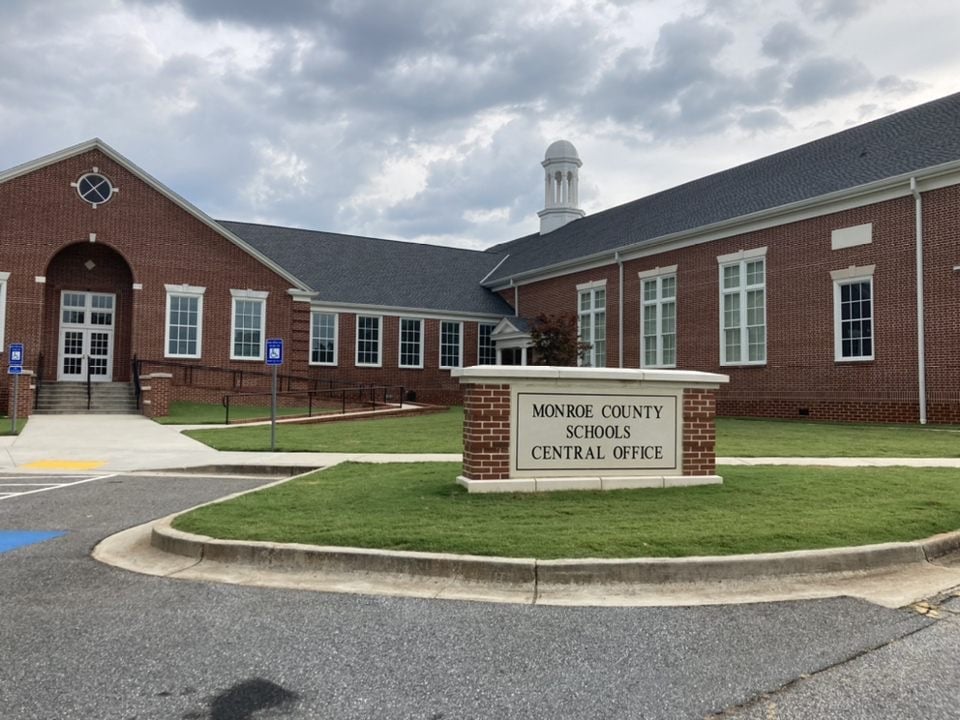
The meeting will begin at 5:30 p.m. in the boardroom at the district’s Central Office.
The agenda lists tentative millage rate approval before an executive session. The board is scheduled to consider personnel actions after returning to open session.
In October 2025, the board unanimously adopted a rollback rate of 16.171 mills, down from the previous rate of 16.212 mills. The district said the rollback rate prevented an inflationary property tax increase that year.
A rollback rate is calculated to generate the same overall revenue as the previous year without collecting additional taxes solely because property values increased.