
Warner Robins raises millage rate, expects $3.65 million in additional revenue
The rate increases by 1.047 mills. City officials cite rising costs and deferred maintenance, while individual tax bills will depend on property values and exemptions.
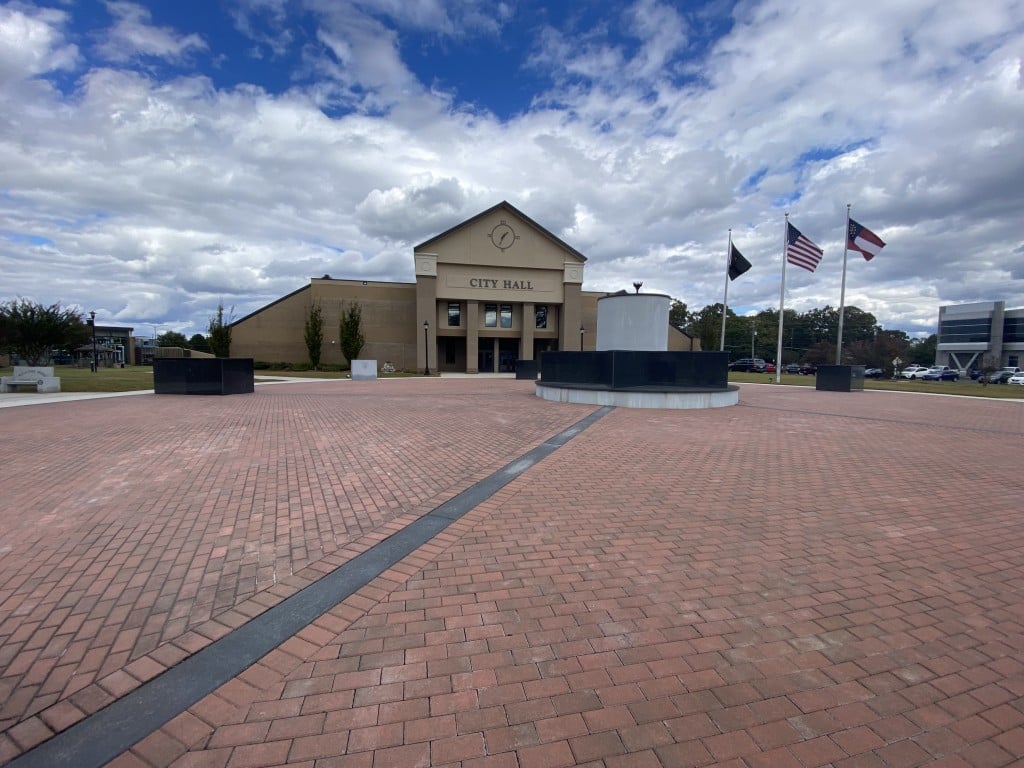
WARNER ROBINS, Georgia (41NBC/WMGT) — Mayor LaRhonda Patrick cast the deciding vote Monday to approve a 10-mill property tax rate after the Warner Robins City Council split 3-3.
Council members Keith Lauritsen, Kevin Lashley and Clifford Holmes voted to approve the rate. Larry Curtis Jr., Derek Mack and Charlie Bibb voted against it. Patrick broke the tie with a vote in favor.
The decision increases the rate by 1.047 mills over the 8.953 mill rate used in 2024 and 2025, according to a news release the city sent Tuesday.
City Administrator James Drinkard said the new rate is expected to generate about $3.651 million in additional general fund revenue, bringing total property tax revenue to approximately $33.2 million.
What the new rate means
The approved rate is 12.74% above the rollback rate for Warner Robins property owners in Houston County and 16.12% above the rollback rate for those in Peach County, according to the city’s September 5 announcement.
Those percentages compare the adopted rate with the rollback rates, rather than representing a uniform increase in every property owner’s bill. The city says individual bills depend on assessed property values, applicable exemptions and changes in property value.
Mayor LaRhonda Patrick said during Monday’s final public hearing that the city was returning close to the rate it used before the 2024 rollback.
The city’s Tuesday release lists that earlier rate as 9.980 mills, which was used during 2018-2023. The newly adopted rate is 0.020 mills higher.
Drinkard said property tax bills will be sent before October 20, with payment due December 1. He also encouraged eligible homeowners to apply for homestead exemptions, including senior homestead exemptions.
Rising costs and proposed budget cuts
Drinkard cited higher costs for electricity, fuel, insurance, construction materials and labor as reasons the city needs additional revenue. He also pointed to deferred maintenance on city buildings and other infrastructure.
Drinkard said the city adopted its budget in June and expects to vote next month on an amended budget containing $11.6 million in cuts. He said the city is working to reduce costs while also seeking additional revenue.
“Some things that we wanted to be able to do this year we’re not going to be able to do,” Drinkard said. “$11.6 million is nothing to sneeze at.”
In Tuesday’s release, Patrick said increasing service costs required a difficult decision.
“No one wants to increase taxes,” she said. “Council and I, along with executive staff and directors, have done everything we could over these last few years not to. But at some point, we must make tough decisions because the cost of providing services continues to increase. Relief isn’t here yet, and we must maintain in the interim. We have a responsibility to make sure our City employees have the resources they need to continue serving our community, while also maintaining the infrastructure and services our residents rely on every day.”
Residents question spending
During Monday’s public hearing, former Public Works Director and mayoral candidate Joe Musselwhite called for a forensic audit.
Another resident questioned previous employee raises and urged city leaders to consider residents living on Social Security and find additional spending cuts.
“I know that there’s cuts that can be made,” she said.
Patrick responded that most city employees had been underpaid when the raises were approved and that employees were leaving for better paying jobs elsewhere.
“It’s a unique situation we were in,” Patrick said.
Sales tax relief expected in 2028
The city says the Floating Homestead Local Option Sales Tax, or FLOST, approved by Houston County voters in May, will provide revenue dedicated to reducing property taxes.
According to Tuesday’s release, 2028 is expected to be the first full calendar year in which the city benefits from a full year of FLOST revenue.
Drinkard told those attending Monday’s hearing that the revenue could allow a 3.5-mill rollback.
The city held three public hearings before adopting the new rate: one September 14 and two September 21.