Trump proposes ‘AI Force’ as debate over artificial intelligence regulation grows
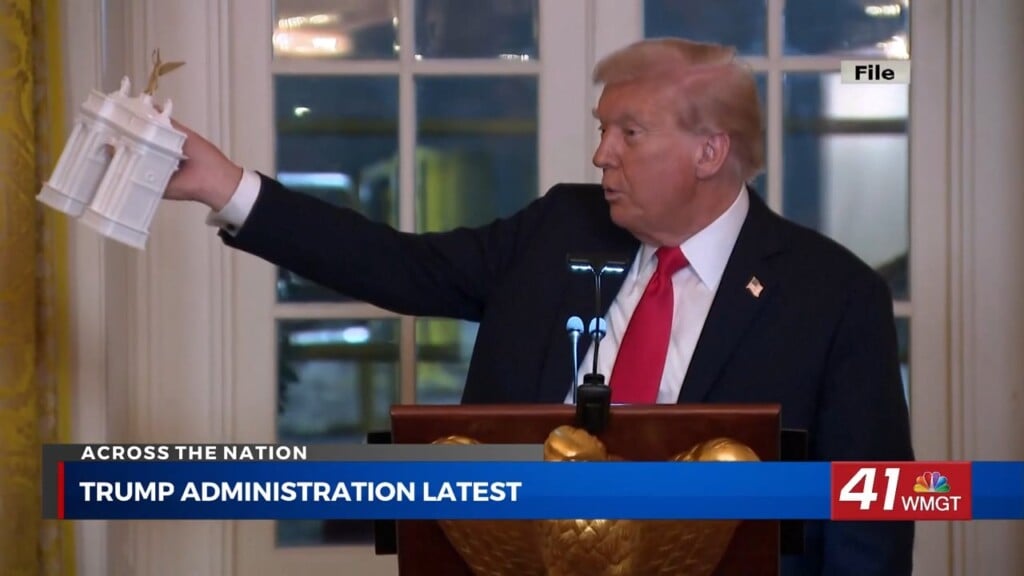
President Donald Trump says he plans to create an “AI Force” and appoint a new AI czar as Washington and technology executives debate how the federal government should respond to increasingly powerful artificial intelligence.
(CNN)- President Donald Trump says he plans to create an “AI Force” and appoint a new AI czar as Washington and technology executives debate how the federal government should respond to increasingly powerful artificial intelligence.
Trump announced the proposal Saturday, comparing the planned initiative to the creation of the U.S. Space Force during his first administration. He provided few details about the AI Force’s structure, budget or responsibilities but said his administration does not intend to slow the industry’s growth.
The announcement comes amid growing calls for federal safeguards from some members of Congress and leaders of major AI companies.
Executives at Anthropic, OpenAI and Google DeepMind have recently advocated for additional government oversight of advanced AI systems. OpenAI has called for mandatory, capability-based national AI safety requirements, while Google DeepMind CEO Demis Hassabis has proposed a U.S.-led international watchdog for advanced models.
Democratic Rep. Lori Trahan of Massachusetts is among lawmakers calling for additional requirements, including mandatory transparency, incident reporting and independent evaluations of advanced AI systems.
Trump and some Republican officials have argued that broad restrictions could slow U.S. innovation and weaken the country’s position in its technological competition with China.
U.S. Ambassador to the United Nations Mike Waltz said Sunday there could be a role for targeted safeguards, particularly involving AI and nuclear weapons, including requirements to keep humans involved in critical decisions.
However, Waltz said the government should avoid putting a “throttle” on American innovators and entrepreneurs.
The debate comes as AI companies rapidly introduce more capable systems and policymakers consider how to balance potential safety risks with economic growth, national security and competition with China.