Trump launches Project Freedom to escort ships through Strait of Hormuz
Donald Trump announced a new military-backed initiative aimed at easing global shipping disruptions in the Strait of Hormuz as tensions with Iran continue despite a fragile ceasefire.
(NBC)- Donald Trump announced a new military-backed initiative aimed at easing global shipping disruptions in the Strait of Hormuz as tensions with Iran continue despite a fragile ceasefire.
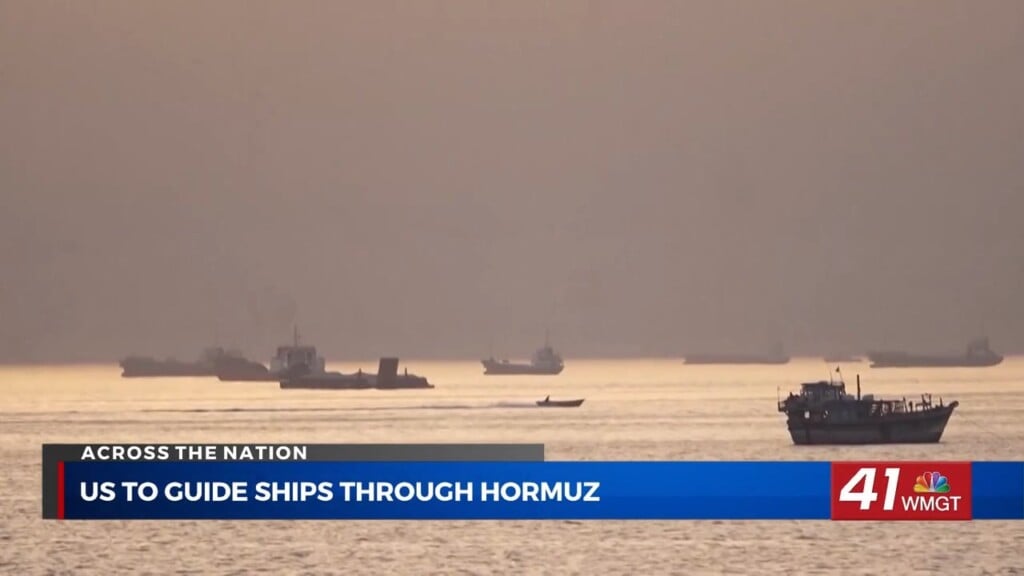
The operation, called “Project Freedom,” will involve the United States escorting neutral commercial ships trapped in the region so they can safely resume operations. According to United States Central Command, approximately 15,000 American service members and more than 100 aircraft will support the mission across land and sea. Trump said the ships involved belong to neutral nations not participating in the conflict and requested American assistance. The president also warned that new strikes against Iran remain possible if tensions escalate again.
“It’s a possibility that could happen certainly,” Trump said.
The announcement comes as the White House argues the 1973 War Powers Resolution does not apply to the current situation because an active ceasefire is in place. In a letter to Congress, the administration maintained that continued military operations and the naval blockade of Iranian ports do not violate the law requiring congressional approval after 60 days of conflict.Trump described the ongoing blockade as “a very friendly blockade,” claiming no nation is challenging it.
Democrats strongly rejected that argument. Jack Reed said the law does not allow “timeouts,” while Adam Schiff argued the military action was unconstitutional from the beginning. The administration continues defending the blockade as an effective form of economic pressure on Iran.
Scott Bessent said the sanctions and shipping restrictions are “suffocating the regime.”
However, Americans are also feeling the economic effects through rising gas prices tied to instability in the region. Trump has reportedly rejected an Iranian proposal to reopen the Strait of Hormuz in exchange for ending the blockade, insisting any agreement must include guarantees preventing Iran from obtaining a nuclear weapon.