Piedmont Macon explains how hands-only CPR can help save lives
According to Rogers, more than 400,000 people in the United States die each year because no action is taken during a cardiac emergency.
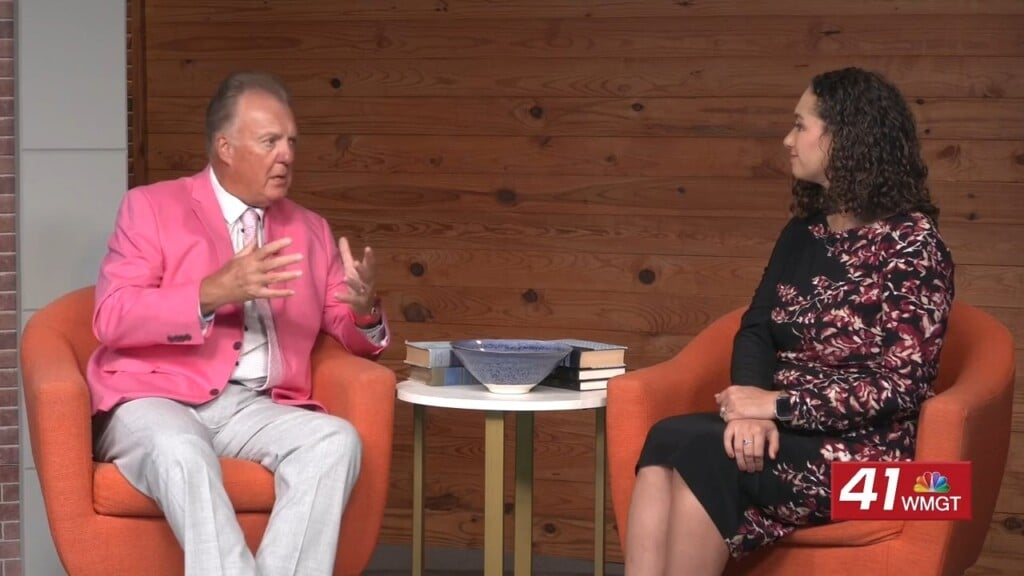
MACON, Georgia (41NBC/WMGT) — Hands-only CPR can give someone in cardiac arrest a better chance of survival while waiting for emergency responders to arrive, according to Piedmont Macon.
Liana Rogers, EMS and emergency management coordinator at Piedmont Macon, said some people are hesitant to perform CPR because they do not want to provide mouth-to-mouth resuscitation to a stranger.
“Some people are really reluctant to provide any assistance because they don’t want to put their mouth to a stranger’s mouth,” Rogers said.
Rogers said traditional CPR includes both chest compressions and rescue breaths, while hands-only CPR focuses only on chest compressions. She said the compressions use the oxygen already in a person’s blood to help circulate it to vital organs.
Before starting hands-only CPR, Rogers said people should first make sure the scene is safe. They should then check the person to determine whether they need help. If there is no response, Rogers said to call 911 before beginning chest compressions while waiting for emergency responders to arrive.
When performing hands-only CPR, Rogers said to place the heel of one hand over the sternum, or breastbone, interlace the fingers, keep the arms straight and press down on the chest. She recommends using the beat of the song “Stayin’ Alive” to help maintain the proper rhythm.
Rogers said compressions should continue until emergency responders arrive or until the person performing CPR is too tired to continue and someone else can take over.
She encourages people to take CPR classes to learn the proper technique, noting there are differences between performing CPR on adults and children versus infants.
Rogers also said automated external defibrillators, or AEDs, are available in many public places and can provide an electrical shock if needed.
According to Rogers, more than 400,000 people in the United States die each year because no action is taken during a cardiac emergency.
“In the U.S., over 400,000 people every year die because nothing is done,” Rogers said. “Now, that being said, we can do everything perfectly and the outcome may not change, but we want to give people a chance.”