How managing blood pressure can help prevent a stroke
“It's a silent disease because you don't have symptoms, and that's the biggest problem with high blood pressure,” Sachs said.
MACON, Georgia (41NBC/WMGT) – High blood pressure often comes without noticeable symptoms, but managing it can play an important role in reducing the risk of stroke.
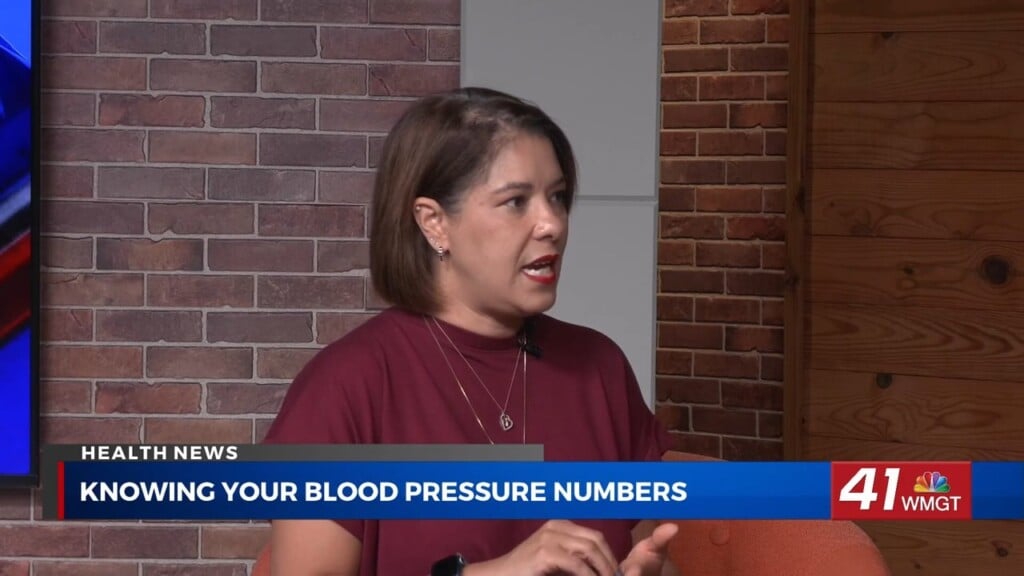
Dr. Vivian Sachs with Atrium Health Navicent joined 41 Today to explain what blood pressure numbers mean, why monitoring matters and what people can do to keep their blood pressure under control.
“It’s a silent disease because you don’t have symptoms, and that’s the biggest problem with high blood pressure,” Sachs said.
Blood pressure readings include two numbers. Sachs said the higher, or systolic, number measures pressure when the heart beats, while the lower, or diastolic, number measures pressure when the heart rests between beats.
Sachs said a normal blood pressure reading is below 120 over 80. She said readings above 180 can be an emergency and require immediate medical attention.
Because high blood pressure may not cause symptoms, Sachs said checking it is the only way to know whether it is elevated. Home monitoring can be especially valuable for people who have been diagnosed with hypertension.
“The main reason that we control high blood pressure, because it is the most reliable prevention for a stroke,” Sachs said.
Sachs explained that repeatedly elevated blood pressure can damage smaller blood vessels, including those in the brain, eyes and kidneys. She said high blood pressure can contribute to both hemorrhagic and ischemic strokes.
Lifestyle changes are one of the first steps people can take to manage their blood pressure. Sachs recommends a DASH-style diet rich in fruits, vegetables, whole grains and low-fat dairy, along with regular exercise.
Reducing sodium intake can also make a difference. Sachs said the recommended maximum is about 1,500 milligrams of sodium per day for people working to control high blood pressure.
When lifestyle changes are not enough, medication may be necessary.
“And that’s why you really need to be following with your doctor regularly, because blood pressure, when you control your blood pressure, a lot of things get better for you, like you are preventing from stroke, heart attack, and other stuff, and you get better,” Sachs said.
Sachs said Atrium Health Navicent’s West Primary Care has family physicians available for patients who need a primary care provider. She emphasized the importance of regular visits to monitor blood pressure and other aspects of a patient’s health.