Houston County firefighters urge first responders to seek mental health help
During Suicide Prevention Month, firefighters are highlighting peer support teams that can connect first responders with professional care.
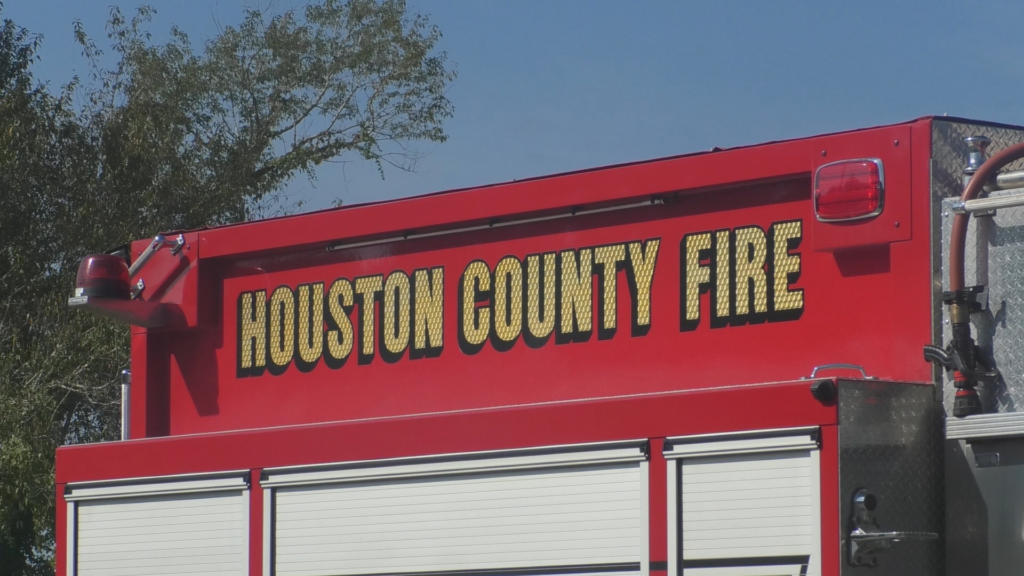
WARNER ROBINS, Georgia (41NBC/WMGT) — Houston County firefighters are encouraging first responders to seek help when the emotional toll of traumatic calls becomes difficult to carry.
They’re highlighting peer support and mental health resources during Suicide Prevention Awareness Month.
First responders spend their careers helping others through their toughest moments and experiencing some of the most difficult scenes. During Suicide Prevention Month, experts say it’s just as important to make sure they have someone to turn to when they’re struggling.
Houston County firefighter Martui Goodson says first responders don’t have to carry the weight of the job alone. He encourages anyone struggling to reach out to their peer support team and get the help they need.
“Peer support is like a psychological first aid,” Goodson said. “We’re not clinicians, psychiatrists, psychologists, but we can get you to those people.”
Goodson says many first responders face a stigma that can make it difficult to admit when they’re struggling or reach out for help.
“A lot of first responders will have this stigma that we have to hold things inside,” Goodson said. “Not talking to our family, friends or peers about it, because some feel like if you open up, you’re seen as soft, but when you open up, you’re actually decompressing.”
Houston County firefighter Micha Story says the public often underestimates the mental health challenges first responders face, especially after responding to traumatic calls.
“The stigma has always been ‘suck it up, it happens, keep moving forward,'” Story said. “And I think that has contributed to a lot of mental health problems that first responders face and suicide is the things we see that people can’t get out of their heads, and there was never a peer support group of anything to talk about it. Now it’s, ‘Hey, let’s sit down and talk about it.’ And get you the resources you need to work it out, so we don’t have those firefighter suicides or first responder suicides in general.”
One common misconception, Story says, is that firefighters don’t see as much as people think, but the reality is they’re often exposed to trauma most people never experience.
“Any gruesome scenes we obviously don’t put out there, we hid it from the public and keep it to ourselves, because other people don’t need to see those things,” Story said. “And without the peer support team, it can lead to suicide or other mental health problems, including PTSD.”
Lt. Tracey Folds says repeated exposure to trauma can take a serious toll on first responders.
“You have a 50/50 scale; it’s a slow burn or a rapid burn,” Folds said. “Trauma can build, or you can run into it like a brick wall. A lot of guys fail to realize the damage until it’s too late. And mostly it’s just a change in mindset, to identify that, ‘Okay this is affecting me, and I need to handle it.'”
Folds says there’s an unwritten rule in the fire service: “Your family doesn’t need to know what you see.” But he says keeping those experiences bottled up can come at a cost.
“I neither condemn or condone that,” he said. “To anybody that needs help, whether you’re not sure or you’re 100% sure or anywhere in between, there are options out there. There are trauma specialists in the area, phone numbers you can call. The state has programs as well. You just have to be willing to the research.”
If you or someone you know is struggling, help is available.