Cyclosporiasis cases reported in Georgia during usual summer peak
Health officials say the intestinal illness typically peaks during summer and recommend washing fruits and vegetables thoroughly.
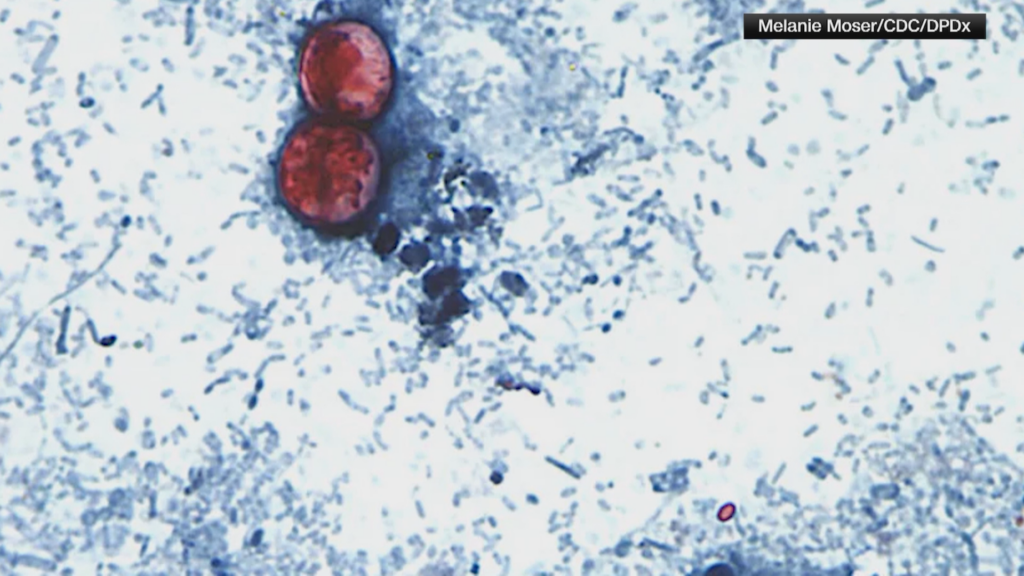
UPDATE (7/13/26): The North Central Health District provided updated statewide case information Monday. The district says CDC data places Georgia in the range of 11 to 30 confirmed domestically acquired cyclosporiasis cases as of July 9.
ORIGINAL STORY (7/10/26):
MACON, Georgia (41NBC/WMGT) — Health officials say cyclosporiasis, an intestinal illness caused by a parasite, is being reported in Georgia, but they stress it is not unusual for this time of year.
The illness is commonly linked to contaminated fruits and vegetables and tends to appear more often during the summer months.
Ben O’Neill, epidemiology director with the North Central Health District, says this seasonal increase happens every year.
“Like all food and waterborne diseases, they tend to peak in the summer, so we see this every year,” O’Neill said.
According to CDC data provided by the North Central Health District, Georgia had between 11 and 30 confirmed domestically acquired cyclosporiasis cases reported as of July 9.
O’Neill says symptoms may not show up right away, which can make it harder to identify the source.
“It takes two days to two weeks after you become infected to start having symptoms, so it is not like you ate something and immediately feel bad. It is going to take a while,” O’Neill said.
Meanwhile, healthcare providers say they are seeing patients with symptoms that could be linked to the parasite.
Emergency room nurse practitioner Justin Connelly at Piedmont Macon says many patients are coming in with gastrointestinal issues, although it is not always easy to determine the exact cause.
“GI symptoms, that is kind of what we are seeing,” Connelly said. “In the ER, it is tough to have a lab that tells you right away it is cyclosporiasis. We are seeing a lot of people with nausea, vomiting and diarrhea that could be coming from this.”
Both health officials say the best way to protect yourself is by washing fruits and vegetables thoroughly before eating or cooking them.
“Do not automatically think someone else washed it right,” Connelly said. “Make sure fruits and vegetables are washed before you cook them or eat them. That is one of the most common ways this is transmitted.”
Officials say most cases are treatable and are not believed to spread from person to person. They add that anyone experiencing severe symptoms or symptoms that do not improve should seek medical care.