Trump doubles down on $5,000 checks as lawmakers weigh proposal
President Donald Trump is doubling down on his promise to send $5,000 payments to every U.S. adult if Republicans retain control of the House and Senate in the midterm elections.
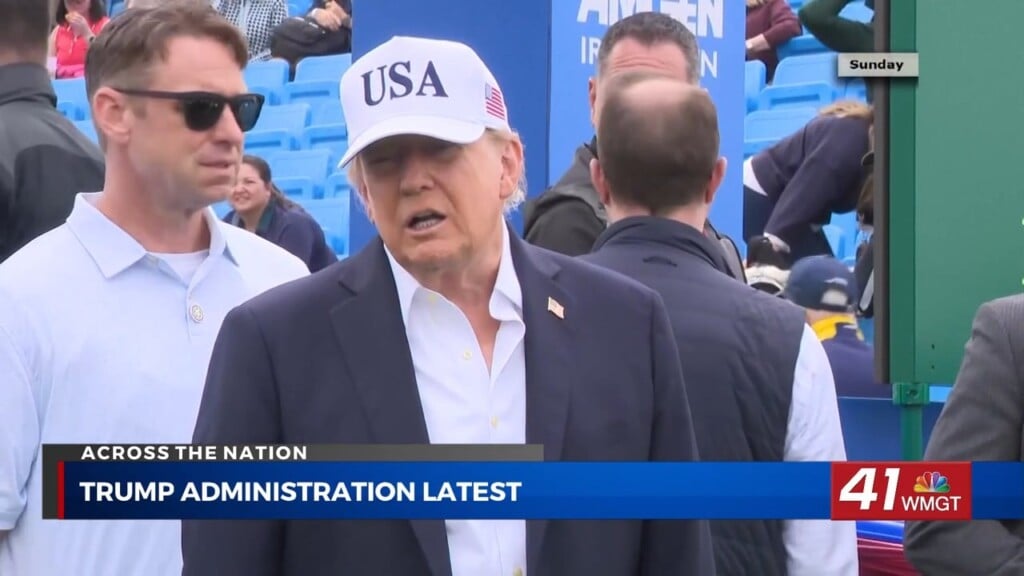
(NBC)- President Donald Trump is doubling down on his promise to send $5,000 payments to every U.S. adult if Republicans retain control of the House and Senate in the midterm elections.
“The $5,000 is going to happen. One hundred percent,” Trump said.
Trump first announced the proposal during the Republican midterm convention in Dallas. He has said the federal government can afford the payments because of increased revenue, but any such plan would require congressional approval.
House Speaker Mike Johnson said Congress would “work through” the proposal but stopped short of making the same commitment as the president.
“I’ll work with the president hand-in-hand as I do all the time,” Johnson said on NBC’s “Meet the Press.” “And we’ll deliver for the American people. That’s the promise.”
Republican Sen. Susan Collins has raised concerns about linking federal tax and spending decisions to election results, while Democrats have criticized the proposal and argued that payments carrying a price tag of more than $1 trillion could contribute to inflation.
Trump said the government could “easily handle” the cost. Reuters reports some other Republicans have also raised questions about the proposal’s funding and its potential effect on the national debt.
The debate comes as Trump again promises relief from high gasoline prices and offers a new timeline for the ongoing war with Iran.
Trump said he expects the conflict to end around the November midterm elections and predicted gasoline prices would fall sharply once the war ends. He also suggested the United States could potentially remain involved in Iran and “keep the oil,” comparing the idea to the U.S. arrangement involving Venezuela.
Oil prices remain above $100 per barrel amid continued instability in the Middle East. A planned meeting between Gulf countries and Iran over the Strait of Hormuz was postponed as regional tensions intensified.
Shipping through the Strait of Hormuz also remains well below prewar levels, contributing to continued concerns about global energy supplies and prices.