Georgia’s American Journey: Peaches, Peanuts and Pines
Peaches, peanuts and pine trees have long formed the agricultural backbone of Middle Georgia, helping feed communities, strengthen rural economies and supply materials used across the country.
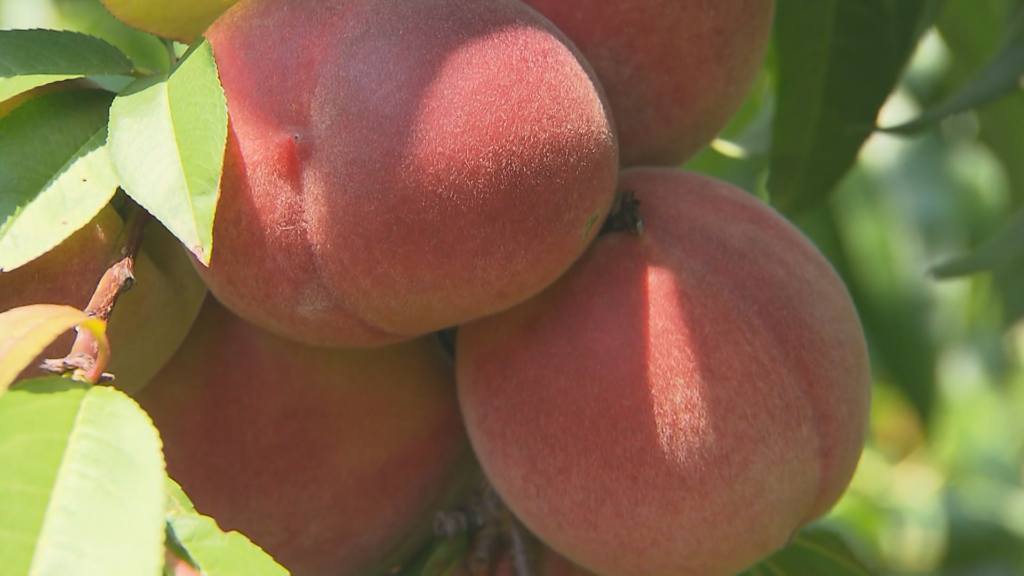
FORT VALLEY, Georgia (41NBC/WMGT) – As the United States celebrates its 250th anniversary, one of Georgia’s greatest contributions to the nation’s story can be found in its fields, orchards and forests.
Together, those industries tell a story of resilience, innovation and adaptation spanning generations.
Georgia Agriculture Commissioner Tyler Harper says agriculture has been essential to America’s success.
“I don’t know how you celebrate 250 years of America without celebrating the great industry and the great backbone of what is our state, which is agriculture, our number one industry,” Harper said. “What has allowed America to be successful for 250 years is American agriculture and our Georgia farmers and Georgia producers right here in our great state.”
Georgia ranks first in the nation in peanut production and commercial forestry. While peach production fluctuates from year to year, the fruit remains one of the state’s most recognizable symbols.
Harper says each commodity has played an important role in shaping Georgia’s identity.
“Peaches, peanuts and pines like you’re talking about, those are three of our significant commodities that we produce,” Harper said. “We’re the number one peanut state in America, we’re the number one forestry state in America, and unfortunately we’re two or three in peaches depending upon the year. But those three commodities have helped shape what Georgia is and who Georgia is.”
Farming has changed dramatically over the past several decades.
Peanut farmer Donald Chase says advances in equipment and transportation have made harvesting more efficient than when he first entered the industry.
“We’ve seen the increase of equipment sizes where we were going from a two-row, maybe six-foot-wide equipment now to six and eight-row equipment in harvest,” Chase said. “We do a lot more of moving the crop from the field to processing in semi-trailers.”
The peach industry has also embraced modern technology.
Lane Southern Orchards in Peach County has been growing peaches since 1908. Tyler Wainwright says new varieties, GPS technology and improved farming practices have helped the orchard continue producing quality fruit while preserving one of Georgia’s best-known traditions.
“It’s evolved with the technology on the farming aspect, newer varieties, new farming techniques, GPS,” Wainwright said. “People know Georgia for the peaches, and we try to do a good job serving that to our customers.”
Georgia’s forests remain another critical piece of the state’s agricultural economy.
According to Harper, Georgia has approximately 22 million acres of privately owned commercial timberland, more than any other state. Many farming families rely on timber production alongside traditional crops, making forestry an important source of long-term economic stability.
From peach orchards to peanut farms and pine forests, agriculture continues to connect Middle Georgia’s rich natural resources with America’s 250-year history, proving the state’s land has helped feed, build and sustain the nation for generations.