Paper checks could disappear as Federal Reserve considers ending processing
The Federal Reserve says it is considering overhauling or possibly winding down its check processing services, citing a sharp decline in usage and a rise in check fraud.
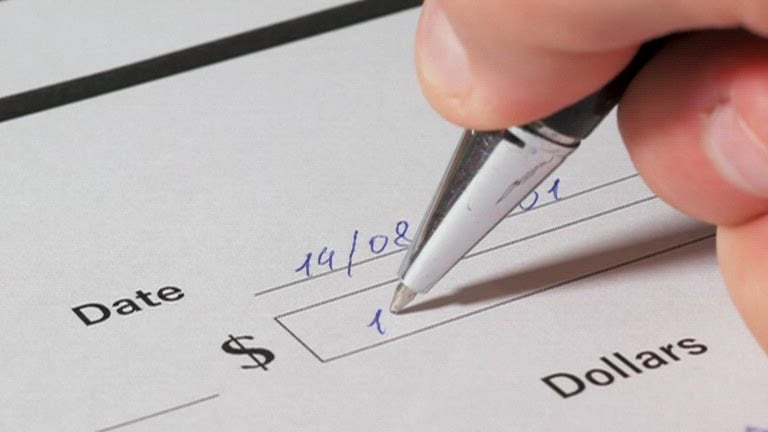
(NBC)- Paper checks have long been a part of everyday life — from paying bills to cashing a paycheck — but that familiar form of payment may soon be on its way out.
The Federal Reserve says it is considering overhauling or possibly winding down its check processing services, citing a sharp decline in usage and a rise in check fraud. In a recent notice, the Fed wrote that digital payment methods have grown significantly, while check use continues to fall.
Experts say such a move could trigger a ripple effect across the banking industry.
“You can easily see the domino effect,” said Caleb Silver, editor-in-chief of Investopedia. “If the central bank stops issuing physical checks, then banks might stop using checks over the next few years. If it’s not happening from the government, why would it continue in the private sector?”
The potential shift comes as other institutions have already moved away from paper payments. In September, the Social Security Administration stopped sending benefit payments by check, switching instead to direct deposit and prepaid debit cards, citing faster delivery, improved security, and lower costs.
Several major retailers — including Target and Whole Foods — have also stopped accepting personal checks.
Data from the Federal Reserve Bank of Atlanta shows just how quickly check use is fading. In 2024, only 7 percent of bills were paid by check, down from 19 percent just a few years earlier. Over the past seven years, electronic payments and debit cards have largely taken over.
Still, not everyone supports phasing checks out entirely. One Federal Reserve board member issued a dissent, noting that in 2021 alone, Americans wrote roughly 11 billion checks and that many consumers and businesses still rely on them.
Advocates also warn that eliminating checks too quickly could hurt vulnerable populations, including seniors who may struggle to adapt to digital payment systems.
“That’s why you can’t eliminate it right away,” Silver said. “There are still millions of people who depend on it.”
The American Bankers Association says the Fed’s move is a “positive step forward,” but emphasizes that any transition must ensure inclusivity.
Among consumers, opinions remain mixed — some say checks feel outdated, while others say they still rely on them regularly.
For now, the check isn’t gone — but its future appears increasingly uncertain.