Ocmulgee Mounds: Preserving 12,000 Years of Human History as America Marks Its 250th Anniversary
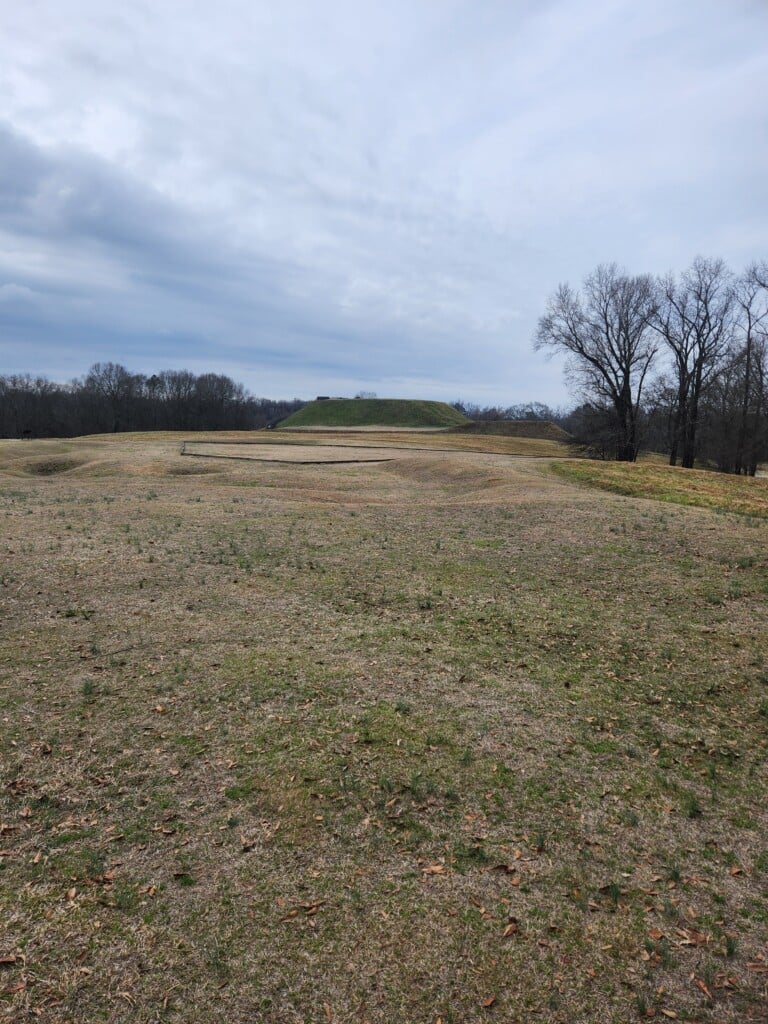
MACON, Georgia (41NBC/WMGT) – As America celebrates 250 years since the signing of the Declaration of Independence, Middle Georgia’s Ocmulgee Mounds National Historical Park reminds us that the story of this land stretches far deeper than the founding of the United States. The park, which preserves more than 12,000 years of continuous human history, stands as a testament to the enduring presence of Indigenous cultures long before the birth of the nation.
The Ocmulgee Mounds was once a thriving center of Indigenous life. “Betrayal, poverty, trauma—trauma is the biggest one—but also renewal. We have not stopped fighting and healing. And that’s truly where we are today,” says Tracie Revis, a cultural preservation advocate and member of the Muscogee Creek Nation. For Revis and many other Indigenous people, the nation’s milestone brings a complex mix of reflection, pride, and pain.
Centuries before European settlers arrived, Ocmulgee served as a capital city for various clans—farmers, fishers, and hunters—who gathered for council and trade. The area’s importance is no accident. “A lot of cities developed along that fall line—even in Georgia: Columbus, Macon, Milledgeville, and Augusta all developed along this fall line, all the way up to D.C. It’s a sought-after spot,” explains Robin Barker, Lead Interpretive Ranger at Ocmulgee Mounds.
When Europeans arrived in the 1700s, the Muscogee helped them survive, leading to a period of coexistence and prosperity. “They also made us prosperous, because we had trade posts—we helped them with food, they traded with us, and we became wealthy. There was a relationship there,” Revis recalls. But as the number of settlers increased, tensions rose, and the fate of the Muscogee changed dramatically.
By the 1830s, the Muscogee people were forcibly relocated to Oklahoma. “The people that once called it home were relocated to Oklahoma in the 1830s, and they didn’t have much say in what emerged after that here in central Georgia. But as they were relocated, their culture survived through many challenges and is thriving today,” Robin says. Within a century of the first treaty signed in 1733, Georgia’s tribal lands had been lost.
Despite fighting in the Revolutionary War, Indigenous people were not granted U.S. citizenship until 1924. The decades that followed brought further hardship, as government-run boarding schools aimed to erase Native culture. “The federal policy became known as ‘kill the Indian, save the man.’ If we can’t kill them, we’ll assimilate them,” Revis describes. Children were often forced into these schools, enduring efforts to strip away their language and identity.
After the Muscogee were removed, much of the land became slave plantations. It wasn’t until the 1930s that local advocacy sparked efforts to protect the Ocmulgee site, eventually establishing it as a national monument. “Macon was born along the river because of what it was,
Ocmulgee Mounds: Preserving 12,000 Years of History as America Marks Its 250th Anniversary
As America celebrates 250 years since the signing of the Declaration of Independence, Middle Georgia’s Ocmulgee Mounds National Historical Park reminds us that the story of this land stretches far deeper than the founding of the United States. The park, which preserves more than 12,000 years of continuous human history, stands as a testament to the enduring presence of Indigenous cultures long before the birth of the nation.
The Ocmulgee Mounds site, now a national park, was once a thriving center of Indigenous life. “Betrayal, poverty, trauma—trauma is the biggest one—but also renewal. We have not stopped fighting and healing. And that’s truly where we are today,” says Tracie Revis, a cultural preservation advocate and member of the Muscogee Creek Nation. For Revis and many other Indigenous people, the nation’s semiquincentennial brings a complex mix of reflection, pride, and pain.
Centuries before European settlers arrived, Ocmulgee served as a capital city for various clans—farmers, fishers, and hunters—who gathered for council and trade. The area’s importance is no accident. “A lot of cities developed along that fall line—even in Georgia: Columbus, Macon, Milledgeville, and Augusta all developed along this fall line, all the way up to D.C. It’s a sought-after spot,” explains Robin Barker, Lead Interpretive Ranger at Ocmulgee Mounds.
When Europeans arrived in the 1700s, the Muscogee helped them survive, leading to a period of coexistence and prosperity. “They also made us prosperous, because we had trade posts—we helped them with food, they traded with us, and we became wealthy. There was a relationship there,” Revis recalls. But as the number of settlers increased, tensions rose.
By the 1830s, the Muscogee people were forcibly relocated to Oklahoma. “The people that once called it home were relocated to Oklahoma in the 1830s, and they didn’t have much say in what emerged after that here in central Georgia. But as they were relocated, their culture survived through many challenges and is thriving today,” Revis says. Within a century of the first treaty signed in 1733, Georgia’s tribal lands had been lost.
Despite fighting in the Revolutionary War, Indigenous people were not granted U.S. citizenship until 1924. The decades that followed brought further hardship, as government-run boarding schools aimed to erase Native culture. “The federal policy became known as ‘kill the Indian, save the man.’ If we can’t kill them, we’ll assimilate them,” Revis describes. Children were often forced into these schools, enduring efforts to strip away their language and identity.
After the Muscogee were removed, much of the land became slave plantations. It wasn’t until the 1930s that local advocacy sparked efforts to protect the Ocmulgee site, eventually establishing it as a national monument. “Macon was born along the river because of what it was, and but for Middle Georgians coming in and protecting that, it would have been lost, and this whole story would have been completely changed,” Revis notes.
Today, Ocmulgee Mounds National Historical Park serves as both a memorial and a place of renewal. Annual events like the Muscogee Indigenous Celebration bring tribal members back to their ancestral homeland to educate the public through songs, stories, dances, art, and games. “It’s a great way to connect with the culture that originated here in central Georgia,” says Barker.
Revis, now acting CEO and Director of Advocacy for the Ocmulgee National Park and Preserve Initiative (ONPPI), is working to bring the tribal voice back to these lands. Efforts are underway to designate Ocmulgee as Georgia’s first National Park and Preserve.
The commitment to honoring Indigenous heritage and fostering reconciliation is also visible in recent local initiatives. In 2024, Macon-Bibb County and the Muscogee (Creek) Nation announced the addition of nearly 100 street signs in downtown Macon, translated into the Creek language—a symbol of ongoing partnership and recognition.