New lab-made butter aims to transform the future of food
Inside a suburban Chicago facility, food startup Savor is creating a butter alternative using carbon dioxide, methane, and water.
(NBC)- Inside a suburban Chicago facility, food startup Savor is creating a butter alternative using carbon dioxide, methane, and water. The company says it can turn those elements into fats and oils that function just like traditional butter — without using a single cow or acre of farmland.
“It’s really about sustainability and transforming the food system we have today,” said Savor CEO Kathleen Alexander.
The process uses captured carbon and converts it into energy-rich fats the human body can digest. The goal: reduce agriculture’s environmental footprint while still delivering familiar taste and texture.
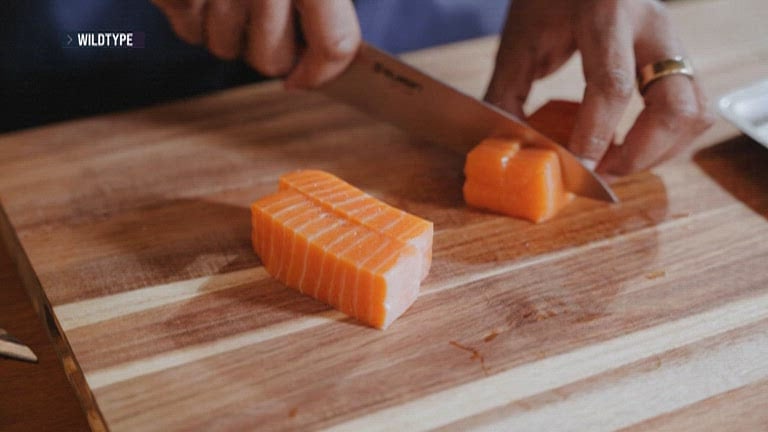
The innovation is already making its way into kitchens. In San Francisco, pastry chef Clement Goyffon is using Savor’s butter alternative in dairy-free chocolate bonbons — and says customers love it. The product is part of a growing movement toward synthetic foods, building on the popularity of plant-based alternatives. Researchers are now creating lab-made versions of everything from foie gras to salmon — and even cocoa.
Biomedical engineering professor David Kaplan says many of these products are nearly indistinguishable from traditional foods. Supporters say the technology could significantly reduce environmental strain. According to the Environmental Protection Agency, agriculture accounts for about 11 percent of U.S. greenhouse gas emissions.
Still, not everyone is on board. Several states, including Florida and Alabama, have passed laws banning certain lab-grown meats, citing concerns over food safety and transparency.
When asked about criticism labeling the products “Franken-foods,” Kaplan pushed back.
“No one is telling anyone what to eat,” he said. “We’re just creating new options that could be healthier and more sustainable.”
A potential food revolution — happening one bite at a time.