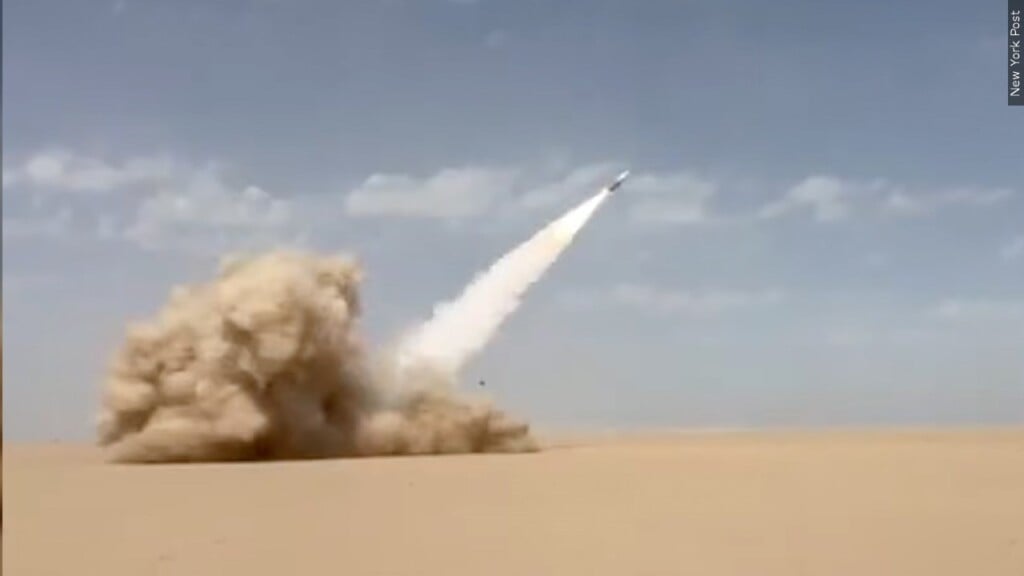
Middle East war intensifies as U.S. embassies close, Americans stranded
War in the Middle East is intensifying, triggering a scramble to move Americans out of harm’s way.
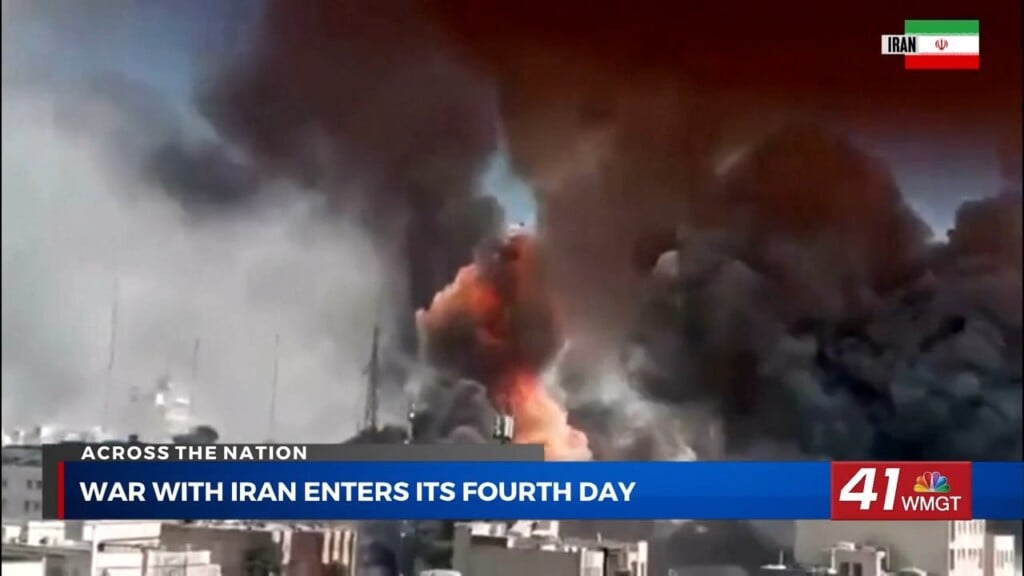
(NBC)- War in the Middle East is intensifying, triggering a scramble to move Americans out of harm’s way as the U.S.-Israeli military campaign against Iran expands.
The U.S. Embassy in Riyadh, Saudi Arabia, was struck by drones, though a Saudi official told NBC News that no injuries were reported. In response to escalating threats, several U.S. embassies across the region are closing and ordering non-emergency personnel to depart.
The growing conflict has also disrupted international travel. Thousands of flights have been canceled, stranding American travelers overseas.
“All of a sudden we’re in the middle of a war zone,” said Chris Elliott, an American stranded in Jerusalem.
Americans both abroad and at home are questioning how long the military campaign will last. President Donald Trump said the operation was initially projected to span four to five weeks but emphasized that the U.S. has the capability to continue far longer if necessary.
“We projected four to five weeks, but we have capability to go far longer than that,” Trump said.
Defense Secretary Pete Hegseth pushed back on comparisons to past prolonged conflicts, saying, “This is not Iraq. This is not endless.”
In a new War Powers notification sent to Congress, President Trump acknowledged that it is not possible to determine the full scope and duration of the operation at this time. Administration officials are scheduled to brief all members of Congress today.
Some leading Democrats, who received early briefings, argue that Iran did not pose an imminent threat to the United States.
“There was a threat to Israel. If we equate a threat to Israel as the equivalent of an imminent threat to the United States, then we are in uncharted territory,” said Senator Mark Warner of Virginia.
Secretary of State Marco Rubio defended the administration’s actions, saying the U.S. was aware that Israel was preparing to strike Iran and acted first to prevent a broader escalation.
“There absolutely was an imminent threat. And the imminent threat was that we knew that if Iran was attacked, and we believed they would be attacked, that they would immediately come after us,” Rubio said.
Iran has retaliated with strikes that have killed six American service members, according to U.S. officials. President Trump has vowed to dismantle Iran’s missile capabilities and naval power, prevent the country from obtaining a nuclear weapon, and stop it from arming terrorist groups.
Rubio also warned that the most significant blows against Iran may still be ahead.
Meanwhile, a bipartisan group of lawmakers is pushing for a vote this week aimed at limiting the president’s war powers without congressional approval. House Speaker Mike Johnson called that effort dangerous and predicted the measure would fail.