Missile strikes intensify across Middle East
Missiles and drones launched by Iran are striking multiple locations across the region, signaling a dangerous escalation in the ongoing conflict involving the United States and Israel.
(NBC) – Missiles and drones launched by Iran are striking multiple locations across the region, signaling a dangerous escalation in the ongoing conflict involving the United States and Israel.
Explosions were reported in the United Arab Emirates, while in central Israel, several missiles detonated, leaving multiple people injured. The attacks come as U.S. and Israeli forces continue targeting Iranian positions.
The conflict is also rattling global energy markets. Iran has moved to block oil shipments through the Strait of Hormuz — one of the world’s most critical oil transit routes — sending gas prices sharply higher worldwide.
Donald Trump says Iran is under pressure to negotiate but fears internal and external consequences.
“They’re afraid to say it, because they figure they’ll be killed by their own people. They’re also afraid they will be killed by us,” Trump said.
According to reports, the U.S. has delivered a 15-point proposal to Iran through Pakistan, which is acting as an intermediary. The proposal reportedly requires Iran to give up nuclear weapons and uranium enrichment, halt long-range missile development, end support for militant groups, and guarantee that the Strait of Hormuz remains open.
In exchange, the U.S. would offer sanctions relief and a path toward ending the conflict. President Trump has avoided formally calling the situation a war, noting that doing so could trigger additional legal requirements for congressional approval.
“They don’t like the word war because you’re supposed to get approval,” Trump said.
On Capitol Hill, lawmakers from both parties are voicing frustration over what they describe as a lack of clarity from the administration. Following a closed-door briefing, Republicans and Democrats alike questioned the strategy and long-term objectives of U.S. military involvement.
Despite public statements from Iran’s foreign minister saying negotiations are not underway, Iran has responded to the U.S. proposal with its own list of demands, broadcast on state television. Those include reparations for damages from recent attacks, recognition of Iran’s sovereignty over the Strait of Hormuz, and guarantees that the country will not face further military action.
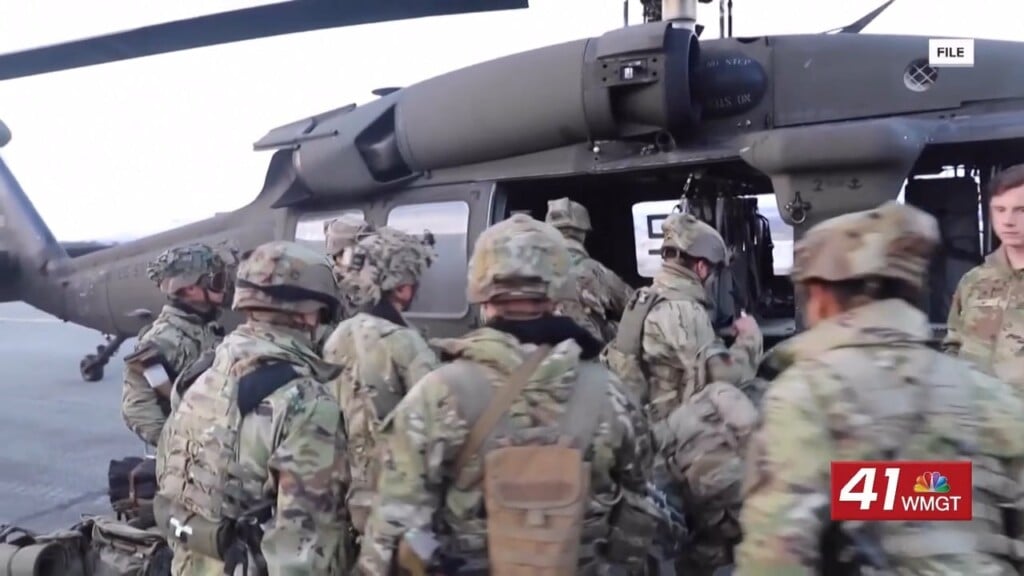
Meanwhile, the U.S. is ramping up its military presence in the region. More than 6,000 American troops — including Marines, sailors, and paratroopers — are being deployed as tensions continue to rise.