BBB, police warn taxpayers to watch for scams during filing season
Better Business Bureau and law enforcement say researching tax preparers can help prevent fraud during the filing season
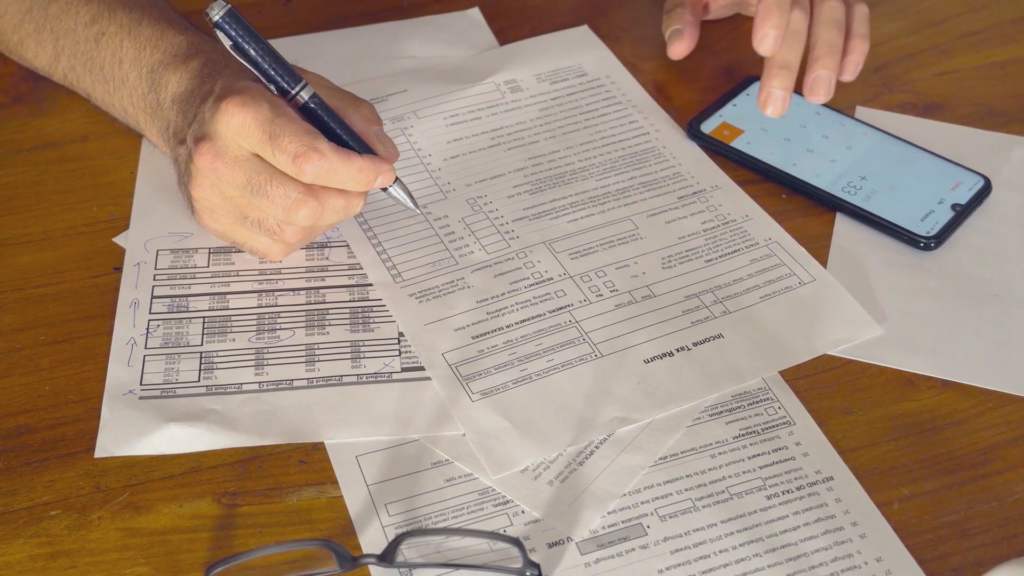
MACON, Georgia (41NBC/WMGT) — The IRS has opened the 2025 tax filing season, with returns due by April 15, and officials say now is the time to make sure your personal financial information is in the hands of a trustworthy tax professional.
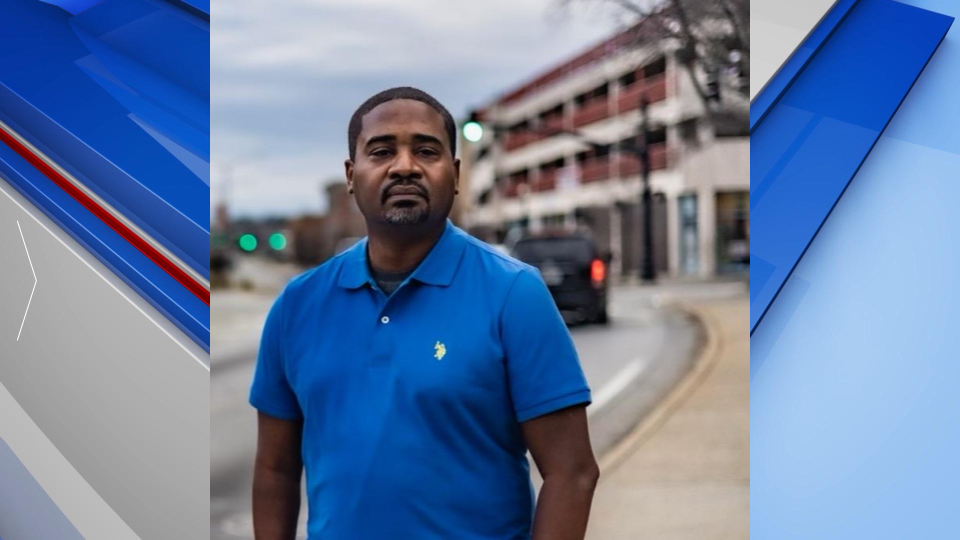
Better Business Bureau of Central Georgia President and CEO Kelvin Collins says consumers should slow down and research tax preparers before handing over sensitive information.
“When it comes to credentials, look at past complaints and reviews,” he said. “Put that tax preparer in Google and add complaints or reviews at the end. That way it will come up. But also check with the IRS and make sure you’re able to look up and find that person as a tax preparer.”
Collins says taxpayers should also be aware of changes in tax law. He mentioned several updates took effect last year.
“Any time anyone tries to confuse you with saying you can’t do it yourself or contact us only, that raises a huge red flag,” he said. “You’ve got a lot of new things with the tax bill that was passed last year; that may change the tax deductions. You’ve got no tax on tips; all of those things are kind of setting a great opportunity for tax scams.”
To help avoid becoming a victim, the BBB offers tools to help consumers find reputable tax professionals in their area.
“Look for the reputable tax preparers, accountants, and CPAs,” he said. “You can go to BBB.org and put in find a trustworthy tax preparer and use those people that are in town.”
Warner Robins Police Detective Matthew Brankley says scammers often try to impersonate the IRS by phone.
“They’re not going to call you saying, ‘Hey this is the IRS,'” he said. “Hang up immediately and block that number, wherever it may be coming from. If you see no caller ID or something like that, and they say, ‘Hey this is the IRS,’ hang up, it’s not real. If you receive anything it’s going to be by mail.”
Brankley recommends contacting law enforcement if you or someone you know believes they may be the target of a tax scam.
“We look at any possible leads just like any investigation,” he said. “We have a lot of open resource tools that we utilize in investigations that we have access to. Rather than be just a fishy email or phone number, we can take that information that’s unfamiliar to the victim and go from there, and hopefully generate some leads.”
If you believe you are experiencing a tax scam, officials recommend contacting local law enforcement and the Better Business Bureau.